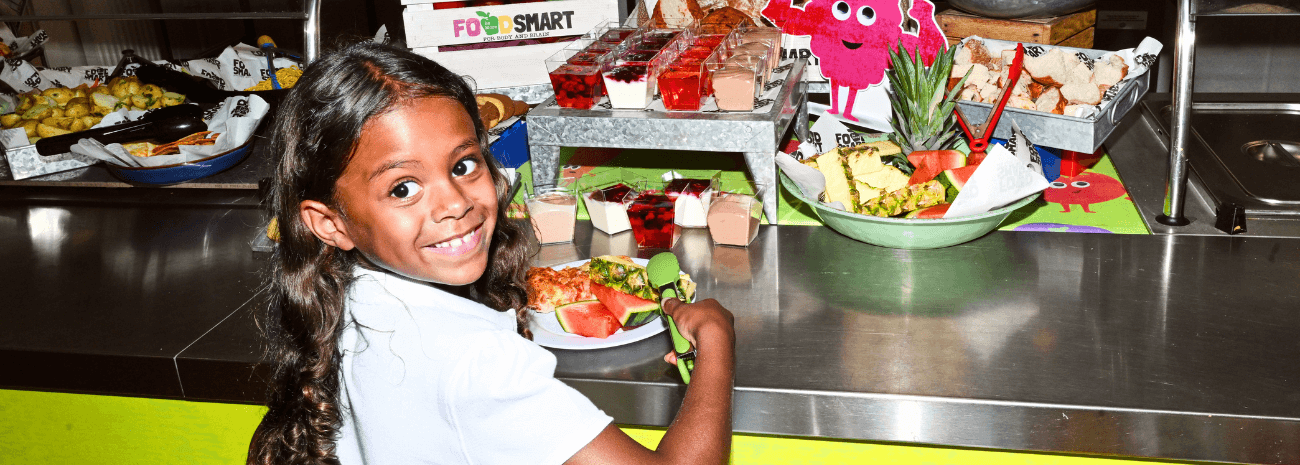
Being able to enjoy free school meals can make a real difference to families struggling with the rising cost of food and basic essentials, which puts pressure on household budgets. Free school meals not only help parents manage the cost of school lunches, but also give children the chance to enjoy a freshly prepared meal at school.
Since September this year, more pupils in England have become eligible for free school meals. Children in households receiving Universal Credit will qualify, regardless of household income. For families, this could mean savings of up to £500 per child over the school year.
So, who can apply, how do you register and what does this mean for your family?
Who is eligible for free school meals?
Previously, families receiving Universal Credit had to meet an income threshold. However, from September this year, all children in households receiving Universal Credit will qualify, whatever their household income.
Children may also be eligible if their families receive certain other benefits, including:
- Income-related Employment and Support Allowance.
- Support under Part VI of the Immigration and Asylum Act 1999.
- The guaranteed element of Pension Credit.
There are also existing arrangements for younger pupils. All children in Reception, Year 1 and Year 2 at government-funded schools in England are entitled to free school meals, regardless of family income.
If you're unsure whether your child qualifies, your local authority or school can help.
Just how much could you save?
With the extended eligibility, families receiving Universal Credit could save up to £500 per child each school year. Parents also have one less lunch to prepare each morning, and the money saved can go towards other household costs.
Bringing pupils together through school lunches
A good school lunch is about more than filling hungry tummies. Free school meals give more pupils the opportunity to spend time together. Sitting down with friends, sharing a meal and chatting about their day are all part of the school lunchtime experience. Lunchtime also gives pupils a chance to take a break from lessons and enjoy food that helps keep them fuelled for the afternoon. It's important that meals not only taste good but also provide the energy pupils need for the rest of the day.
At AiP, our chefs serve up familiar favourites, such as roast dinners and fish and chips, alongside dishes inspired by food from around the world. Curries, noodle bowls, tacos and street food favourites give pupils plenty of choice and the chance to explore new flavours.
We always like to hear what pupils think about our menus. That's why our teams make time to gather feedback through surveys, student council workshops and parent tasting sessions. These are great ways to find out what our school communities enjoy. We use this feedback to refresh our primary and secondary menus every six months, keeping the food in tune with pupils' tastes and interests.
Fresh food cooked from scratch is how our menus begin
At AiP, 90% of our menus are cooked from scratch, with all sauces made fresh on site. Our meat is UK-sourced and Red Tractor assured, and we use seasonal ingredients in our menus. We also hold Food for Life Served Here Bronze accreditation, which recognises our approach to fresh cooking and responsible sourcing.
Our menus include vegetable-rich dishes, jacket potatoes, pasta bowls and salad bars, alongside daily vegetarian and vegan options, so there's plenty of choice for pupils.
Our teams also receive regular allergen training, supported by dedicated Allergen Champions. Preparing meals safely is an important part of the work that goes on behind the scenes in our kitchens. We want all pupils to feel comfortable at mealtimes, including those who are neurodivergent and may benefit from familiar food choices and clear menu information.
Helping pupils discover more about food
At AiP, we're also keen to encourage pupils to learn more about food through their school meals. Our teams organise themed menu days and practical food education activities to encourage pupils to try new things and learn more about healthy, affordable food. We also work with seasonal ingredients and Red Tractor-assured suppliers, while initiatives such as WasteWatch help us reduce food waste.
How to apply for free school meals
Families in England can check their eligibility and apply through their local authority's website. You'll usually need to provide details about your household and the benefits you receive.
Even with the extended eligibility for Universal Credit households, families still need to register their children for free school meals. If you're unsure about the process, your child's school or local authority can help.
The application process is different in Scotland, Wales and Northern Ireland, so families in these nations should follow their own guidance.
Find out more here: Apply for free school meals.
Making every school meal special for every pupil
Free school meals help families manage the cost of school lunches, while giving pupils the chance to sit with their friends and have a proper break from lessons. These shared moments are an important part of school life. At AiP, our teams put a lot of thought into the menus they develop and the food they serve.
Good school meals need to taste good and provide the nutrition pupils need throughout the day. That's why 90% of our menus are cooked from scratch, with plenty of choice, including vegetarian, vegan and halal dishes.
We want lunchtime to be something every pupil enjoys, with good food, friends around the table and plenty of choice.